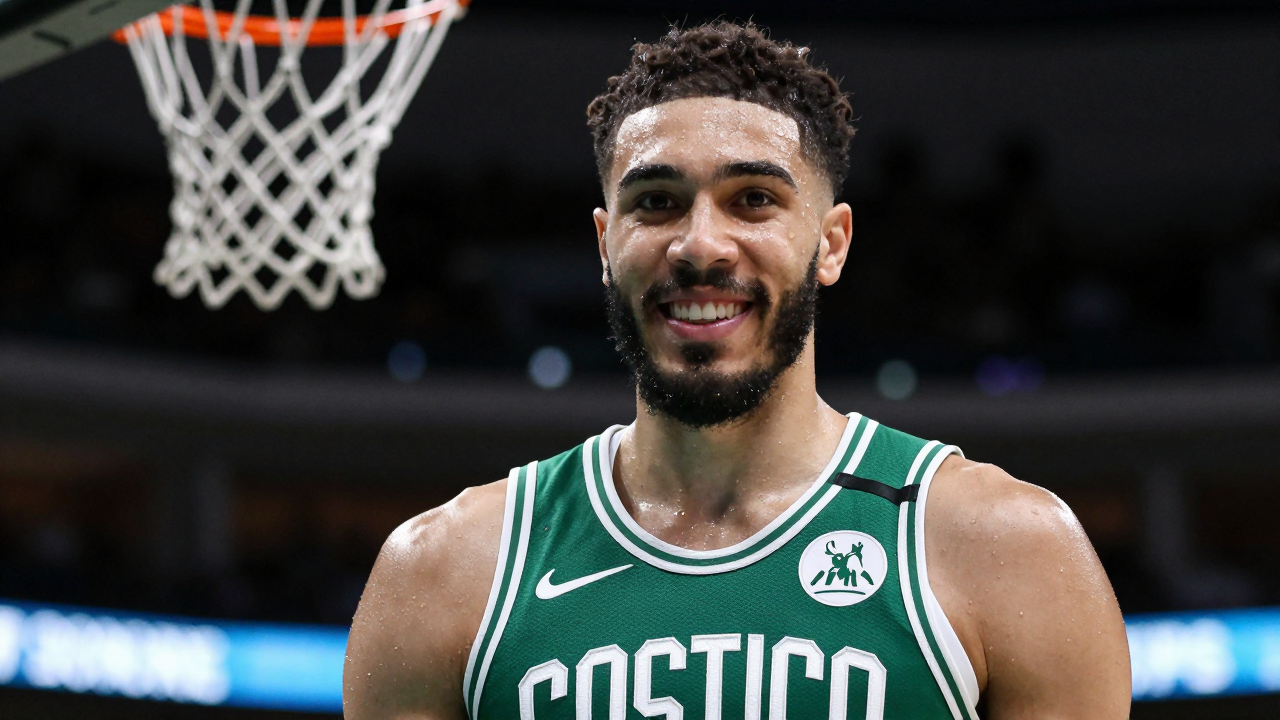
Boston Celtics entered the 2026 NBA Summer League in Las Vegas on July 10, fielding four draft picks as the franchise looks to add depth after a 0W-0D-5L stretch, most recent loss 100-109 to the Philadelphia 76ers on May 2, 2026.
Who are the Celtics’ four key prospects?
The roster features 2025 first‑rounder Hugo González, 2024 second‑rounder Amari Williams, and two younger players whose names were highlighted in the league’s official preview. González logged 10.3 points, 4.5 rebounds and 2.8 assists over four games last summer, shooting 30.2% from the field and 30.4% from three‑point range. His defensive hustle earned him a reputation as a high‑motor wing, and he now hopes to tighten his jump shot while expanding his ball‑handling.
Williams, a 7‑foot‑5 forward, posted 17.9 points, 10.9 rebounds, 4.8 assists and 1.8 blocks per game with the G‑League Maine Celtics. He saw 22 NBA minutes last season, including a brief start against Chicago. The Celtics want him to prove he can battle stronger interior opponents and stay on the floor longer.
The remaining two prospects are less publicized but are expected to contribute on the perimeter and in pick‑and‑roll situations. Their performance will be measured against the league’s average defensive rating and three‑point efficiency.
Why does Brad Stevens care about depth now?
Brad Stevens, president of basketball operations, has repeatedly stressed the need for roster flexibility. After a five‑game losing streak, the Celtics cannot afford to rely solely on veteran minutes. The Summer League offers a low‑stakes environment where young players can run set plays, test off‑ball movement and showcase their ability to finish at the rim.
Stevens believes that a player who can screen, cut and hit open threes adds value even without high usage. González’s 38.7% catch‑and‑shoot three‑point rate and 41.1% corner‑three success last year suggest he could become a reliable floor‑spacer if he improves decision‑making in drive‑and‑kick scenarios.
What will the Celtics watch for in Las Vegas?
Scouts will track each prospect’s shooting percentages, turnover ratio and defensive impact. For González, the key metric is his ability to attack closeouts and create second‑chance points. For Williams, the focus is on rebounding position and defending bigger NBA centers without being pulled to the perimeter.
The league’s schedule also pits Boston’s youngsters against other teams’ top picks, providing a direct comparison of skill sets. A strong showing could earn a two‑way contract or a spot on the regular‑season roster, while a lukewarm performance might push the organization to explore free‑agent options.
How does this fit into Boston’s broader plan?
The Summer League is a stepping stone toward the next training camp. If the four prospects can demonstrate growth, the Celtics will have more options when finalizing the 15‑man roster. The organization hopes to turn the recent five‑loss slide into a catalyst for development, giving fans a glimpse of the next generation that could help reverse the trend once the regular season begins.