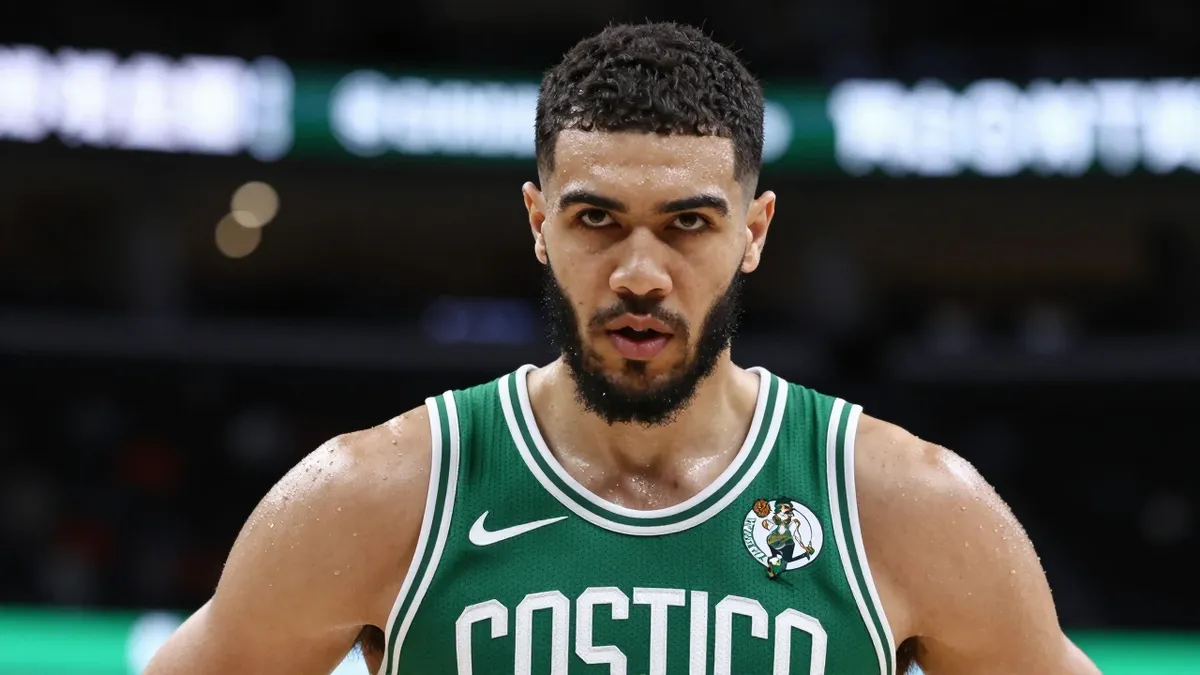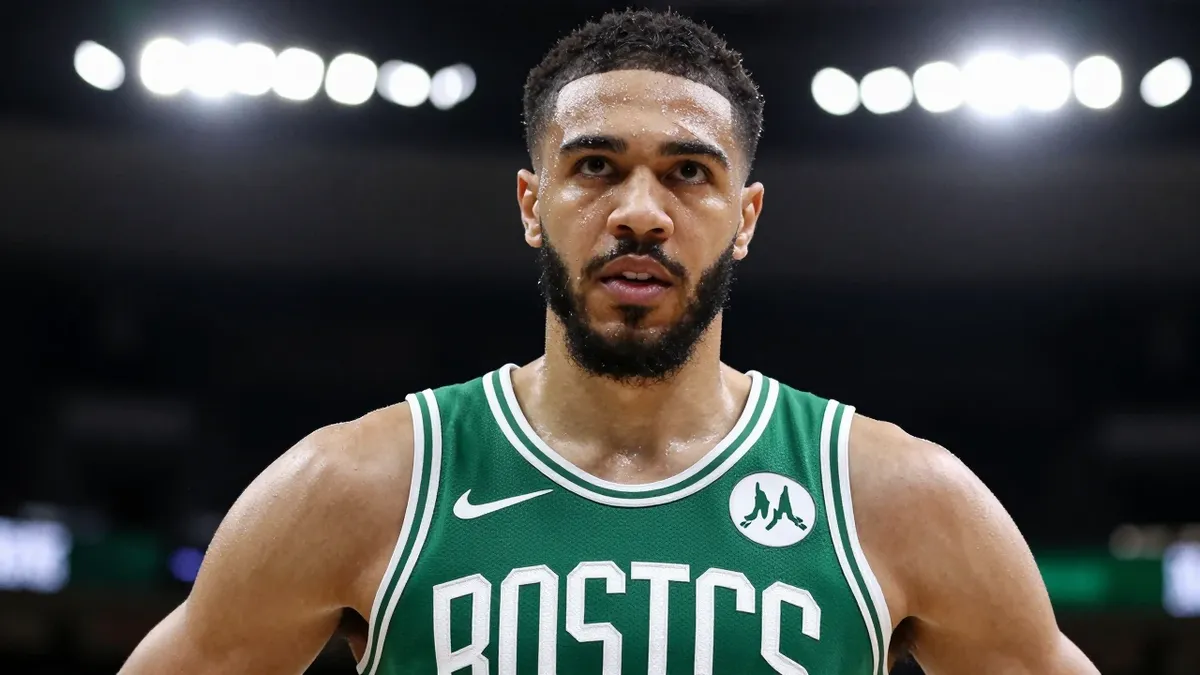
Boston Celtics are channeling the 1968 banner season, aiming to turn a recent five‑game losing streak into a comeback that echoes Bill Russell’s player‑coach triumph.
How did the 1968 Celtics defy the "Boston is dead" chant?
In 1968, Bill Russell stepped from the paint to the bench, becoming a player‑coach after Red Auerbach retired. The Celtics finished the regular season 54‑28, second in the Eastern Division, eight games behind the Philadelphia 76ers who posted a league‑record 68‑13. Russell’s roster mixed veteran talent like Bailey Howell, a six‑time All‑Star forward, with newcomers such as Wayne "The Wall" Embry, a five‑time All‑Star from Cincinnati. Despite losing K.C. Jones to retirement, the team started 9‑1, proving that the dynasty could still produce wins without its legendary coach.
Why does the 1968 story matter for today’s Celtics?
The 1968 squad showed that leadership can come from inside the locker room, a lesson relevant as the current Celtics navigate a slump without a clear veteran anchor. Russell played roughly 40 minutes per game while directing strategy, a workload that mirrors modern stars who must balance scoring, rebounding, and defensive duties. The era also highlighted the importance of depth; Embry’s pick‑and‑roll presence gave the team a reliable backup center, a role the present roster still needs to fill to stop opponents from dominating the paint.
What can the Celtics learn from the 1968 playoff run?
After falling behind 0‑3 to the Sixers in the 1967‑68 playoffs, Boston rallied to win Game 4, only to lose Game 5 140‑116 as the crowd shouted “Boston is dead!” John Havlicek’s retort, “We’re only dead until October,” underscored resilience. Modern Celtics can adopt that mindset by focusing on incremental improvements-tightening defensive rotations, improving three‑point shooting percentages, and leveraging veteran leadership to steady younger players during rough stretches.
What’s next for the Celtics as they chase the 1968 spirit?
Coaching staff should experiment with lineups that give more minutes to versatile forwards who can protect the rim and stretch the floor, echoing Howell’s dual scoring and rebounding role. If the Celtics can replicate the 1968 blend of veteran savvy and fresh talent, they may turn the narrative from “Boston is dead” to a resurgence that honors the franchise’s 18‑championship legacy.