The 1985-86 Boston Celtics are a cornerstone of NBA history, often celebrated as one of the most dominant teams to ever step onto the hardwood. With a roster filled with Hall of Famers, including Larry Bird, Kevin McHale, and Robert Parish, the C's didn't just win games; they redefined what it meant to play as a cohesive unit.
The season began with an aura of anticipation and excitement. The Celtics had just come off a disappointing loss in the 1985 NBA Finals, and they were eager to reclaim their title. Under the leadership of head coach K.C. Jones, the team embraced a style of play that emphasized ball movement, teamwork, and defensive intensity. This was not merely a collection of talented individuals; this was a team with a singular focus.
Larry Bird led the charge, averaging 25.8 points, 9.8 rebounds, and 6.8 assists per game. His ability to score from the perimeter while also facilitating for teammates made him a nightmare for opposing defenses. Bird's vision on the court allowed him to find McHale and Parish in the paint, where they thrived. McHale, with his low-post finesse and footwork, averaged 21.3 points and 8.1 rebounds, while Parish anchored the defense and added 14.5 points and 9.1 rebounds per game.
But what truly set the 1986 Celtics apart was their bench depth and the emergence of critical role players. The likes of Dennis Johnson, who was a defensive stalwart, and Bill Walton, whose passing skills and basketball IQ provided a unique dynamic off the bench, contributed significantly to the team's success. Walton's ability to control the tempo and make smart passes transformed the second unit, allowing the Celtics to maintain their lead even when the starters were resting.
The chemistry on the court was palpable, with players constantly communicating and moving without the ball. Their fast-break opportunities were a sight to behold, often initiated by Bird’s pinpoint outlet passes or Johnson’s quick steals. The Celtics led the league in assists, averaging a staggering 29.9 assists per game, showcasing their unselfish play and commitment to finding the best shot.
Defensively, the Celtics were equally impressive, ranking among the top teams in the league in points allowed. Their ability to switch seamlessly on screens and contest shots made them a formidable force. With players like Bird and McHale capable of defending multiple positions, they created a tough matchup for any opponent. This defensive prowess was often highlighted in crucial moments, allowing them to stifle opponents in the playoffs.
As the regular season progressed, the Celtics showcased their dominance by finishing with a league-best record of 67-15. This success carried into the playoffs, where they swept the Chicago Bulls in the first round and defeated the Atlanta Hawks in a hard-fought seven-game series. The Eastern Conference Finals saw them face off against the Milwaukee Bucks, where they clinched the series in just five games, asserting their dominance once again.
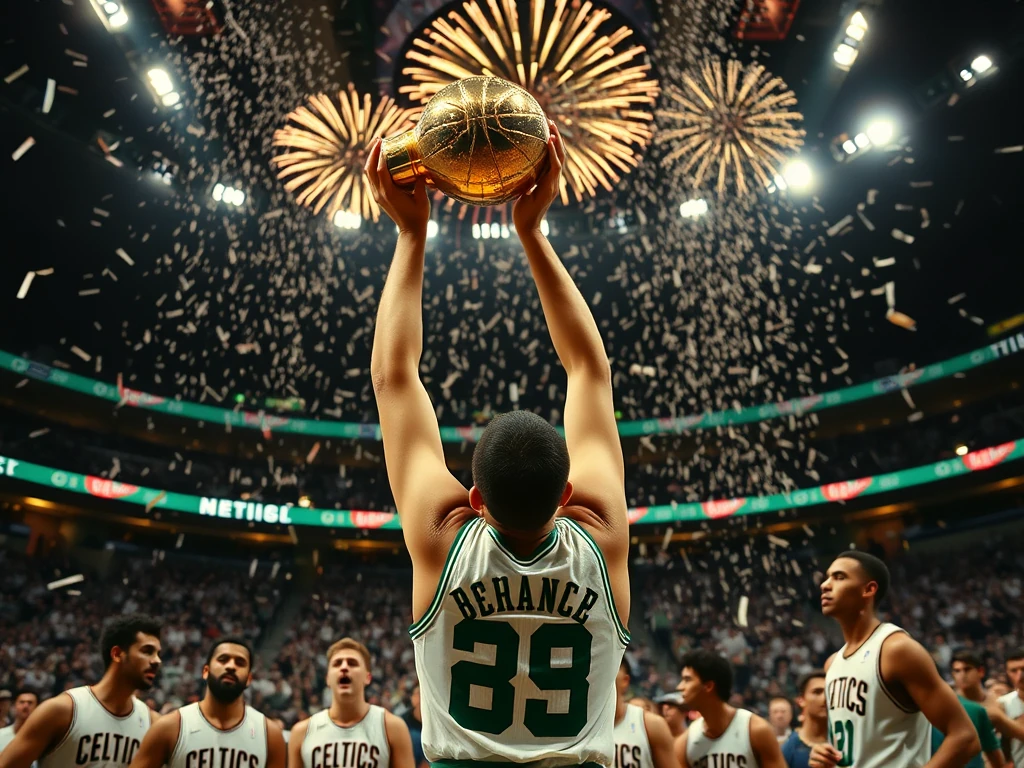
The NBA Finals pitted the Celtics against the Houston Rockets, a team led by the legendary Hakeem Olajuwon. In what many expected to be a competitive series, the Celtics showcased their depth and experience, winning the championship in six games. Bird was named the Finals MVP, solidifying his legacy as one of the greatest players of all time.
The 1986 Celtics not only won the championship; they did so with a style that resonated with fans and set a standard for future teams. Their selfless play, exceptional teamwork, and relentless pursuit of excellence are lessons that resonate with today's players and coaches. As the Celtics continue to build their legacy, the 1986 team remains a shining example of what is possible when talent meets unyielding teamwork.