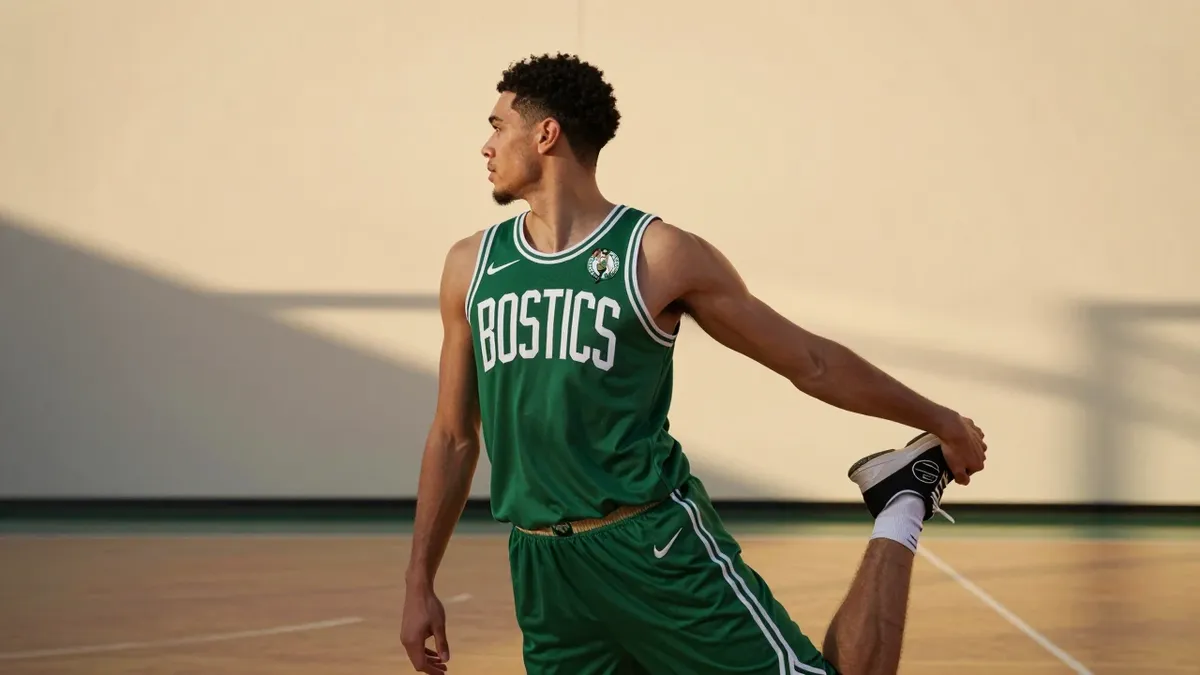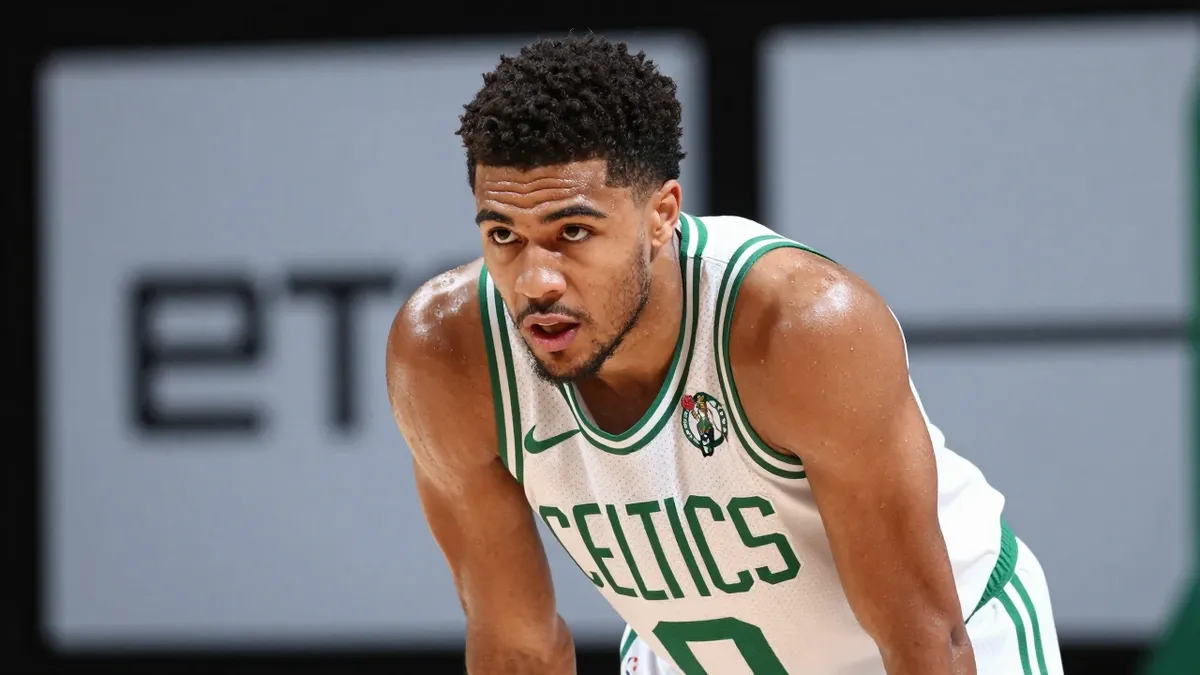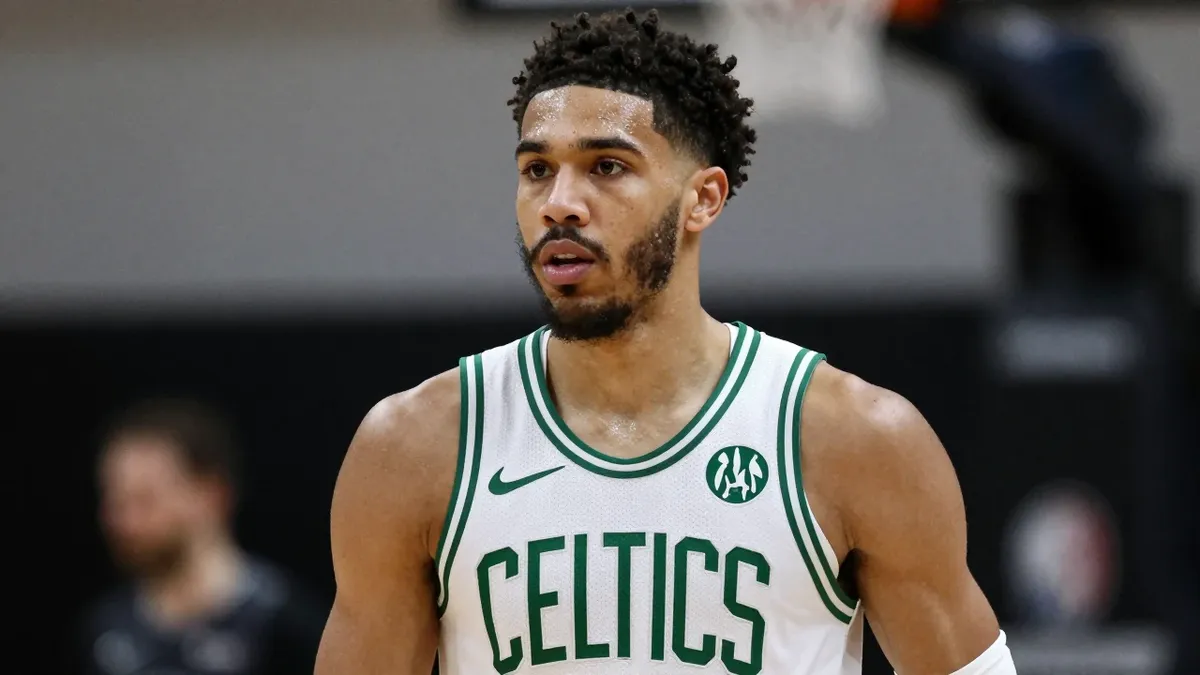
The Boston Celtics find themselves at a crossroads, as recent reports indicate they're no longer pursuing Giannis Antetokounmpo. According to Bill Simmons, the Celtics have chosen to turn their attention elsewhere, with Zach Lowe noting a lack of urgency to change the current roster. This strategic pivot raises questions about Boston's future and their championship aspirations.
Understanding the Decision to Pass on Giannis
The Celtics have long been linked with Giannis Antetokounmpo, a two-time NBA MVP and one of the most dominant players in the league. However, choosing not to pursue him signals a deliberate strategy by the front office. Given Giannis's contract situation and the expectations that come with acquiring a player of his caliber, Boston's decision seems rooted in long-term planning rather than short-term fixes.
- Salary Cap Implications: Giannis is under contract until the end of the 2025 season, which would require significant financial maneuvering. - Current Roster Dynamics: The Celtics boast a talented roster led by Jayson Tatum and Jaylen Brown, who are both under 30 and still improving. - Championship Culture: By maintaining the current core, the Celtics aim to build chemistry and experience rather than risking it all for a superstar.
What it means for Boston Celtics
For Celtics fans, this decision might be bittersweet. On one hand, the allure of acquiring a player like Giannis Antetokounmpo is undeniable. His ability to dominate inside the paint and stretch the floor could elevate Boston's game to new heights. However, the commitment to their existing roster highlights a belief in the current trajectory of the team.
The Celtics are currently positioned well in the Eastern Conference. The combination of Tatum's scoring prowess and Brown's defensive tenacity has kept Boston competitive, even as they navigate the ups and downs of an 82-game season. Keeping their core intact allows for continuity and a chance to develop further chemistry, something that could be crucial in playoff scenarios.
The Wider Championship Picture
With the Celtics stepping back from Giannis, the landscape of the Eastern Conference remains largely unchanged. Teams like the Milwaukee Bucks, led by Giannis, and the Miami Heat continue to pose significant threats. The decision not to pursue Giannis could also allow other teams to make moves, potentially reshaping the playoff picture.
- Milwaukee Bucks: With Giannis at the helm, they remain a formidable opponent. - Miami Heat: Always a contender, they have a strong playoff pedigree. - Philadelphia 76ers: The addition of James Harden has made them a team to watch.
Boston's decision to not court Giannis could also open the door for potential trades or acquisitions that better fit their style of play. If they manage to bolster their roster without sacrificing key players, they may find themselves in a better position come playoff time.
Fan Reactions and Outlook
Boston fans have always been passionate about their team, and the news of stepping back from Giannis has been met with mixed emotions. Many supporters feel that pursuing Giannis could have been a game-changer, while others understand the rationale behind holding onto the current roster.
Social media has reflected this divide: - Some fans argue that the Celtics missed an opportunity to secure a franchise player. - Others believe that the focus should be on developing Tatum and Brown into their peak forms.
Ultimately, the consensus seems to lean towards optimism about the team’s current trajectory. With the right adjustments and continued growth, the Celtics remain a serious contender in the coming seasons.
Counterpoint: The Case for Making a Move
Critics will argue that passing on Giannis is a miscalculation. They point to the potential for immediate success that comes with adding a player of his calibre. The flip side is that while Giannis could provide instant impact, it might disrupt the team’s cohesion and chemistry, which are vital for playoff success. Acquiring a superstar often comes at a cost, and Boston’s current strategy focuses on long-term development rather than short-term gain.